
One Year of Exercise Makes Your Brain Biologically One Year Younger

Nadia Chen

Your Brain on Exercise: How a Year of Activity Can Turn Back the Clock
We all know exercise is good for the body. It strengthens the heart, builds muscle, and boosts energy. But what if your weekly workouts were doing something even more profound, quietly rejuvenating your most vital organ? Groundbreaking new research suggests this isn't just a hopeful metaphor. It's a measurable, biological reality captured by advanced brain scans.
The study reveals that adults who committed to a year of regular aerobic exercise developed brains that appeared nearly a year younger than those of their sedentary peers. This finding offers a powerful, proactive strategy for cognitive health. It shifts the focus from treating decline to actively preserving brain youth.
This research is particularly significant because it targeted people in midlife. Scientists consider this period a critical window for prevention. The modest annual change reported in the study could compound over decades, potentially steering the brain toward a healthier, sharper future.
Decoding the Science of Brain Age
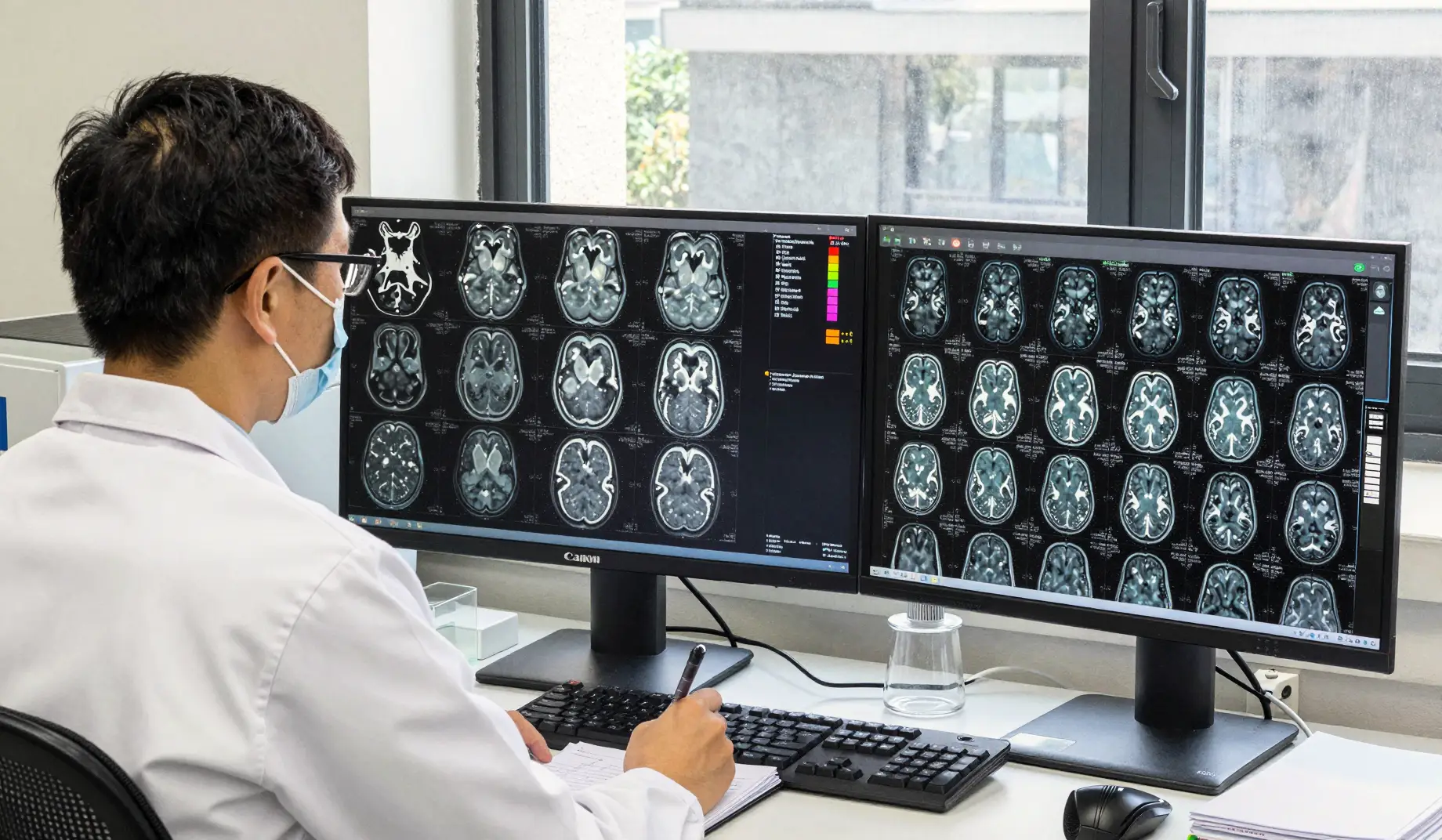
How can a brain look younger? The answer lies in a sophisticated MRI analysis called "brain-predicted age difference," or brain-PAD. This metric compares the biological appearance of your brain's structure to your chronological age. A positive brain-PAD means your brain looks older than your birthday suggests.
Prior research has linked an older-appearing brain to poorer cognitive function and higher health risks. The new trial asked if a common lifestyle intervention could move this needle in a positive direction. The goal was to see if exercise could effectively make the brain's biological clock tick slower.
The results provide a compelling yes. The concept transforms brain health from an abstract concern into something we can actively influence. It provides a tangible target for our fitness efforts beyond weight loss or endurance.
Inside the Groundbreaking Fitness Trial
The research was a rigorous, year-long randomized controlled trial. It involved 130 healthy adults between the ages of 26 and 58. Participants were split into two groups to isolate the effect of exercise from other variables.
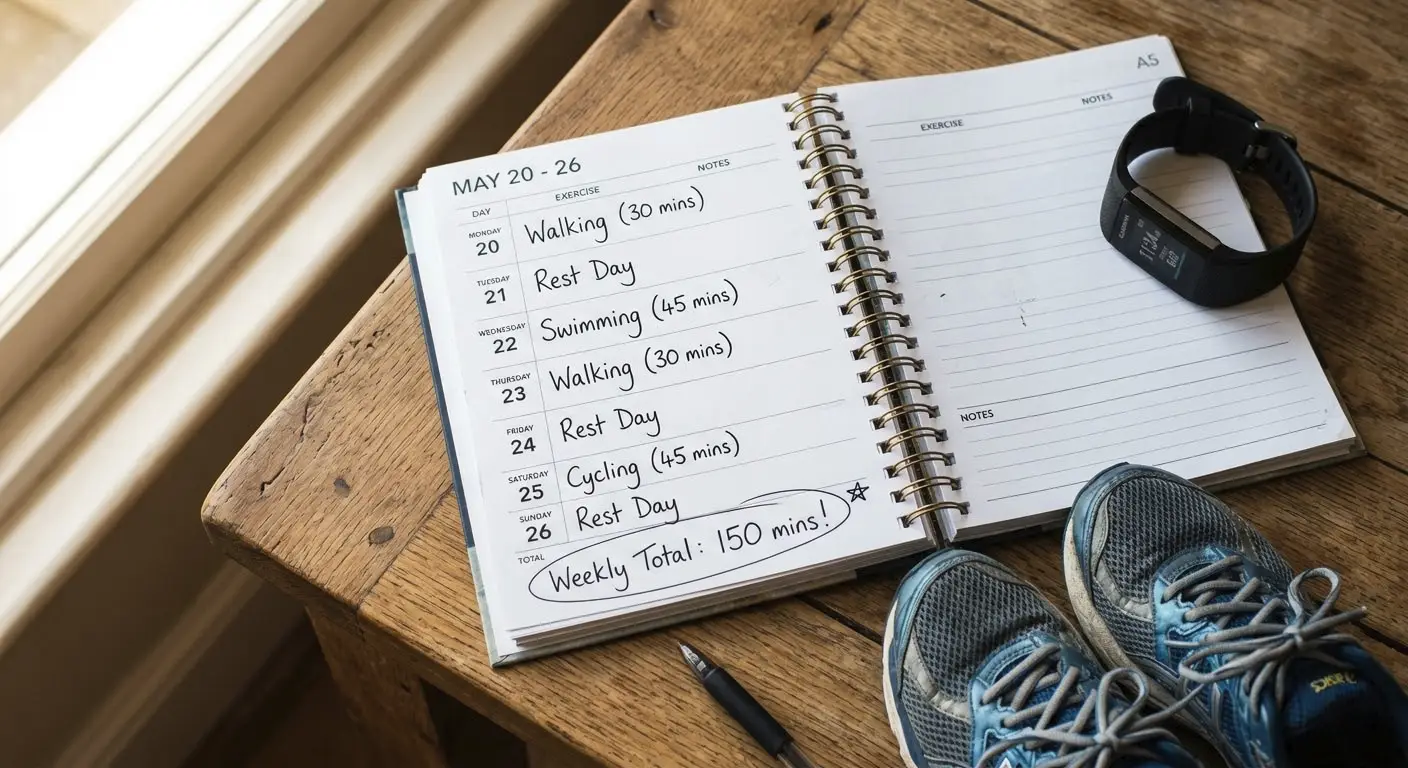
One group maintained their usual lifestyle as a control. The other embarked on a structured aerobic exercise program. This regimen included supervised lab sessions and home-based activity, totaling about 150 minutes per week. This aligns with standard public health guidelines for physical activity.
All participants underwent MRI brain scans and fitness tests at the start and end of the study. This design allowed scientists to track precise changes in brain structure and function. They could directly attribute differences to the exercise intervention itself.
The Quantifiable Impact of Movement
After twelve months, the data told a clear story. The group that exercised showed a measurable decrease in their brain-PAD score. Their brains were biologically younger at the end of the trial than at the beginning. The change amounted to a reduction of about 0.6 years in brain age.
Meanwhile, the control group’s brains showed a slight increase in brain age, by about 0.35 years. The direct comparison revealed that exercisers had brains that appeared almost a full year younger than the control group. The effect was consistent and directly tied to the intervention.
While less than a year may sound modest, scientists emphasize the long-term perspective. A small annual shift, sustained over decades, could translate to a significant cognitive preservation advantage. It’s about changing the trajectory of brain aging.
Unraveling the How Behind the Results
A fascinating part of the study was the search for a mechanism. Researchers tested several obvious candidates. They measured improvements in cardiorespiratory fitness, changes in body composition, blood pressure, and levels of a key brain health protein called BDNF.
Fitness levels did improve significantly in the exercise group, as expected. Yet, statistically, none of these factors fully explained the observed reduction in brain age. This was a surprise to the research team, who anticipated a clearer mechanistic link.
The finding suggests exercise benefits the brain through more complex or subtle pathways. Potential contributors include improved vascular health, reduced inflammation, or microscopic changes in brain structure not captured by the other tests. The simple act of moving appears to trigger a cascade of youthful effects.

Why Midlife Is the Prime Time for Prevention
Previous brain health research typically examines older populations who already show signs of cognitive change. This research took a proactive, preventive approach by focusing on early to mid-adulthood. This period is when interventions may have the greatest cumulative benefit.
Brain changes in midlife are often subtle and undetectable without advanced imaging. They set the stage for cognitive health decades later. Intervening during this window is like making a smart investment with a long time horizon for compound growth.
The message is empowering. It suggests we shouldn’t wait for warning signs to protect our brains. The foundation for a sharp mind in later life can be built now, in our 30s, 40s, and 50s, through consistent, manageable habits.
Putting the Research Into Practice
So, what does this mean for you? The prescription is refreshingly straightforward. The exercise regimen that yielded these results aligns with standard public health advice: 150 minutes of moderate-to-vigorous aerobic activity per week.
This can be achieved through brisk walking, cycling, swimming, or any activity that elevates your heart rate. The key is consistency over months and years. The study’s protocol included a mix of supervised and home-based sessions, proving the model is practical for real life.
It’s important to note the study involved healthy volunteers, and the changes were measured over one year. Larger, longer studies are needed to confirm if this brain age reduction lowers the risk of conditions like dementia. Yet, the evidence strongly supports exercise as a powerful tool for maintaining a younger, healthier brain.
The Future of Brain Health and Fitness
This research opens new doors for understanding how lifestyle shapes our neurology. It provides a concrete biomarker, brain age, that can be used to test other interventions. The surprising lack of a clear mechanistic explanation also invites further scientific exploration.
Future studies will likely investigate the specific physiological pathways connecting aerobic exercise to brain rejuvenation. They will also need to examine diverse populations and longer timeframes. The goal is to solidify exercise as a cornerstone of preventive neurology.
For now, the takeaway is both simple and profound. A habit many pursue for physical fitness also acts as a potent treatment for the brain. By committing to regular movement, you are not just training your body. You are actively keeping your mind young.
Sources
- Journal SourceThe original peer-reviewed study published in the Journal of Sport and Health Science, reporting the randomized controlled trial findings on exercise and brain age.